Lake management committee
A team of homeowners who volunteer their time and technical expertise to research, assess and monitor the condition of Lake Leopold, advise the board on its stewardship, and help carry out the measurement and maintenance work.
The lake system
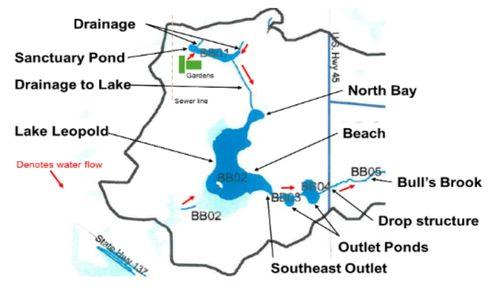
Lake Leopold is a 20 acre lake excavated from local farmland in 1995 and originally filled from the local freshwater aquifer. Since then its water has come from stormwater runoff off the surrounding subdivision.
Overflow is buffered by two outlet ponds, Second Pond at one acre and Third Pond at two, and runs into Bulls Brook, a dry creek in the Liberty Prairie. During dry spells the flow is stagnant with no overflow, and the lake has an estimated retention time of two to three years. At its headwaters is Sanctuary Pond, created as a habitat for several endangered and threatened fish species.
The lake has multiple uses. Its primary job is stormwater management, complemented by the view it gives the community, and it carries recreation too: light boating, sport fishing and swimming.
Latest lake news
Water quality, treatments and what the committee is working on.
State of the lake
What the 2025 assessment found, and the documents behind it.
Assessment of lake conditions
The most recent assessment was done in 2025 by PCHOA volunteers using equipment borrowed from Lake County Lake Lovers through a grant from Xylem YSI, by professionals from the association's environmental engineering partner Hey and Associates, and by staff from the aquatics partner ILM Environments. A presentation on the water quality findings was given at the 2026 Illinois Lake Management Association conference. It describes internal nutrient loading, which appears to be the key driver of the lake's condition, and will guide future treatment.
Aquatic plant survey
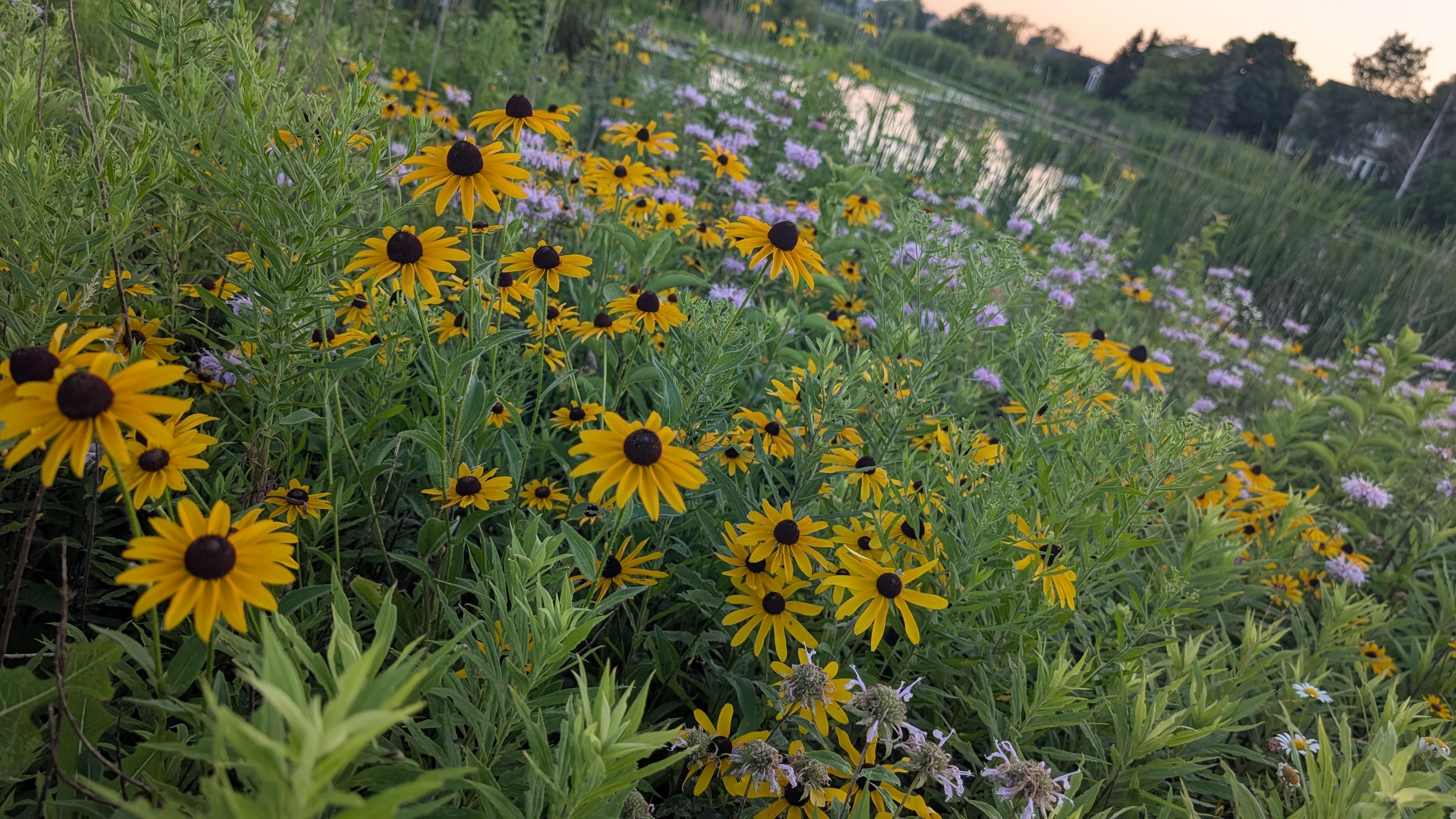
Alongside the water quality results, two aquatic plant surveys were conducted. These guide future treatment for nutrients and invasive species, and suggest which native species to cultivate. Disciplined monitoring of plant growth allows a targeted approach, which limits the amount of chemicals used.
Water depth and sediment thickness
A comprehensive map was made of the lake's water depth and sediment thickness.
Reports and reference
Manuals, historical records and the surveys the committee works from.
Owners manual
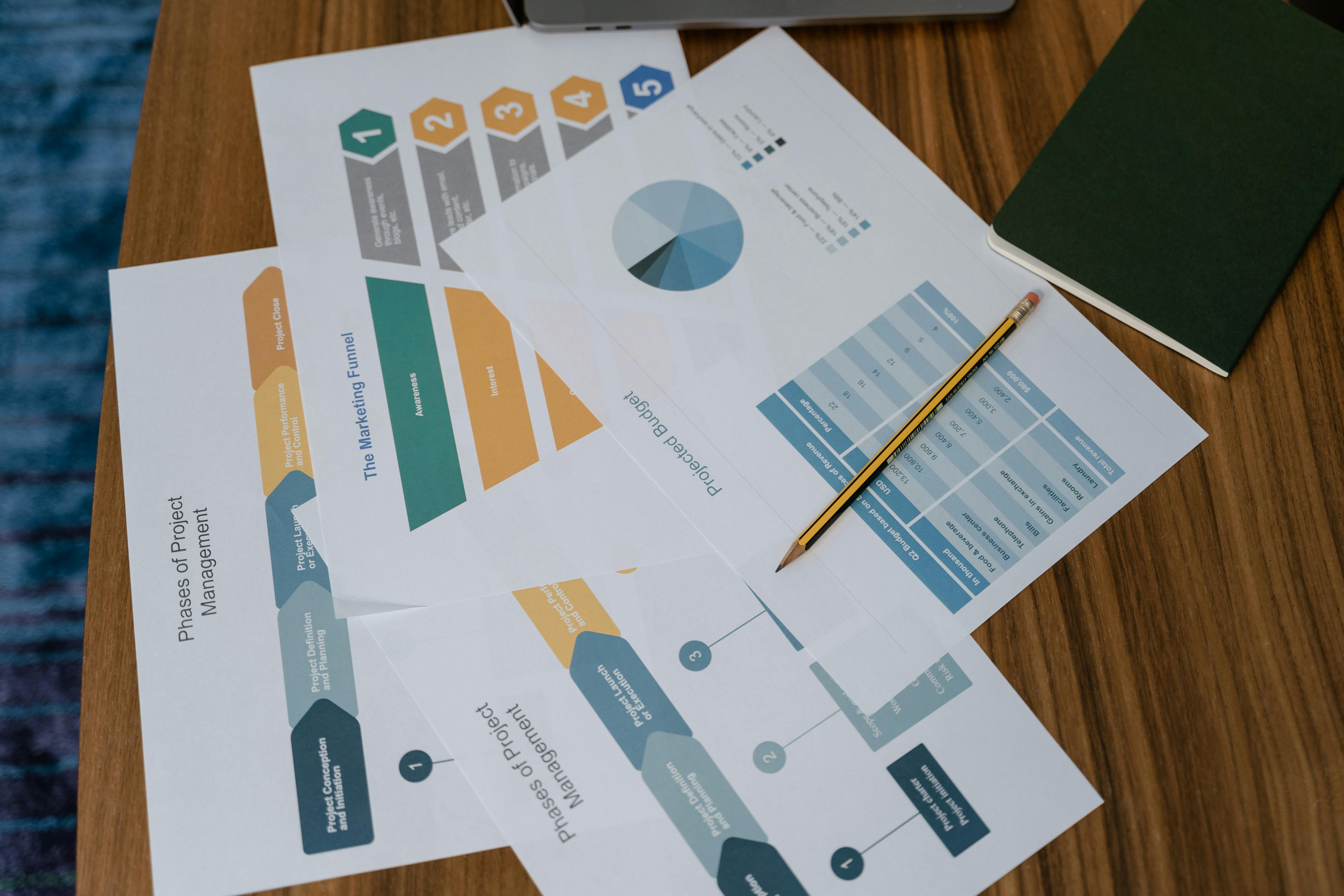
An owners manual describing the lake activity needed to maintain water quality.
Open the manual
Historical lake information
Lake County Health Department's ecological services team studied the lake through the 2022 season. The department assesses county lakes on a roughly five year rotation.
Open the report
Historical water quality measurements
Monthly water quality measurements were taken for the lake's first ten years, 1995 to 2004. They are the baseline current conditions are compared against.
Open the data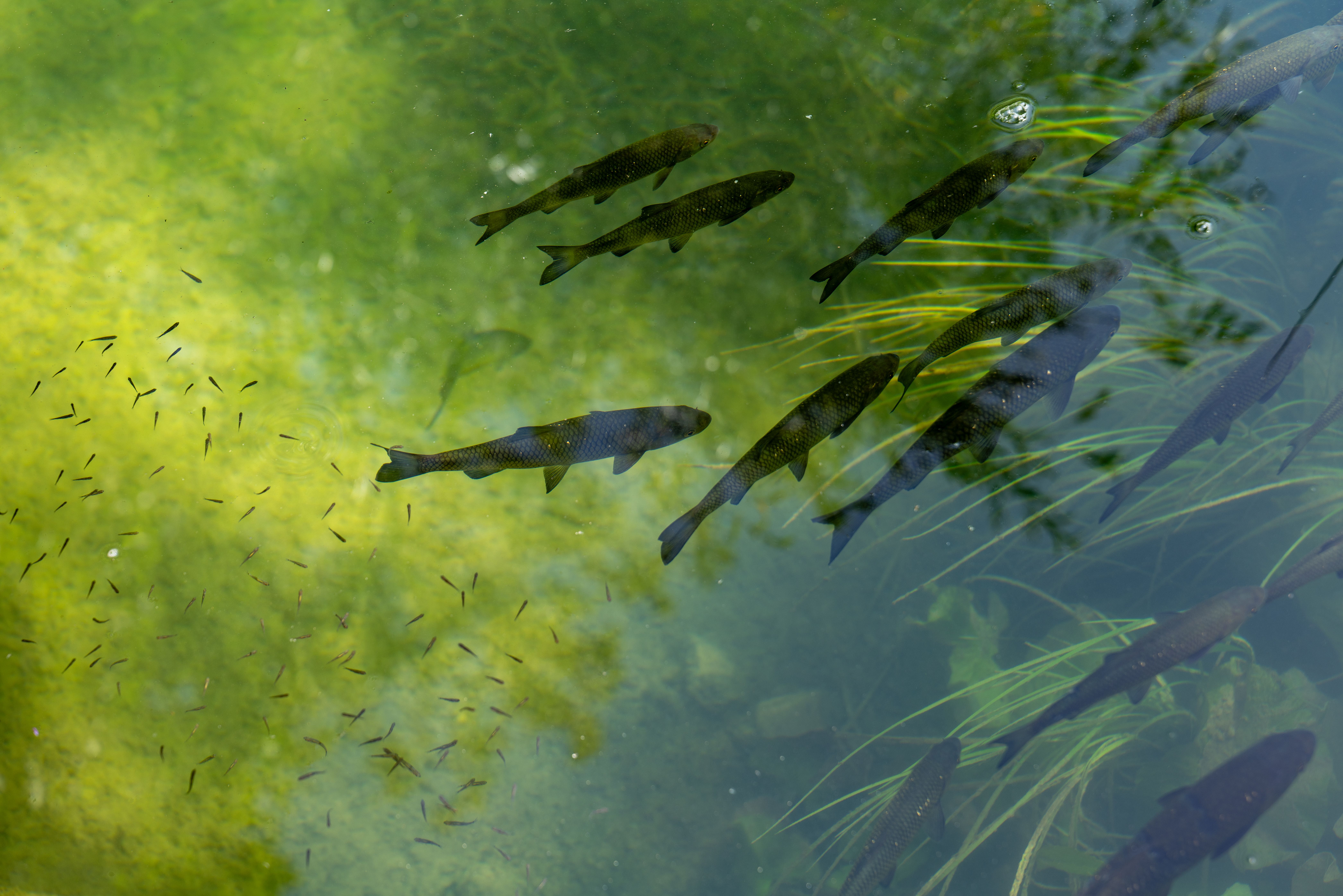
Fish studies
Fish studies have been conducted for sport fisheries and for endangered and threatened species in 2015, 2022 and 2023. As a sanctuary for those species, Prairie Crossing qualifies for a free survey every five years from the Illinois Natural History Survey.
Open the studiesHealth and safety
On behalf of the Illinois Public Health Department, the Lake County Health Department's ecological services group measures bacteria at the Lake Leopold swimming beach twice a month through the swimming season, between Memorial Day and Labor Day. Results are reported on the Illinois Beach Guard website.
Like some other lakes in the county, the association also holds an account with LCHD laboratory services to measure bacteria after heavy rainfall, which washes material into the water and can create at-risk swimming conditions. The county lab runs the measurements; collecting the samples is the association's job.
As a precaution, harmful algal bloom cyanotoxin tests are run weekly through the swimming season whenever algae and plants are flourishing. Volunteers perform the tests and report to the board and the property manager before the weekend. If conditions call for it, an email goes out to homeowners, and further laboratory testing is available through state and commercial labs.
Committee members
Anyone is welcome to join the committee or volunteer.

John Schuster
Chair
Dave Adelman
Member
Matt Braun
Board liaison
Adina Ott
Member
Andy Ott
Member
Tom Paulus
Member
Bill Roberts
Member
 Made with Levo